In industrial operations, a gasket’s performance can directly affect safety, environmental compliance, equipment reliability, and production continuity. An improperly selected gasket can result in chronic leakage, unplanned shutdowns, regulatory exposure, product loss, and elevated maintenance costs. Conversely, a correctly specified gasket contributes to joint integrity, emissions control, and long-term operational stability. For this reason, gasket selection must be approached as an engineering decision grounded in technical evaluation rather than familiarity, habit, or visual identification. The following framework outlines the critical considerations that support reliable gasket selection across pipelines, heat exchangers, valves, and other pressurized equipment.
By Francisco Duque
Step 1: Understand the Equipment
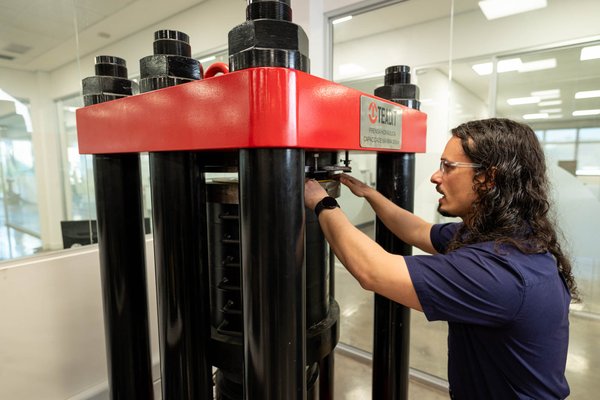
A subject matter expert at TEADIT® ’s innovation hub testing a cut gasket.
The first and most important step in gasket selection is understanding where the gasket will be installed. Equipment configuration directly influences compression requirements, bolt load distribution, and allowable gasket types.
Pipelines Systems and Standard Flanges
For piping systems, key considerations include:
Heat Exchangers
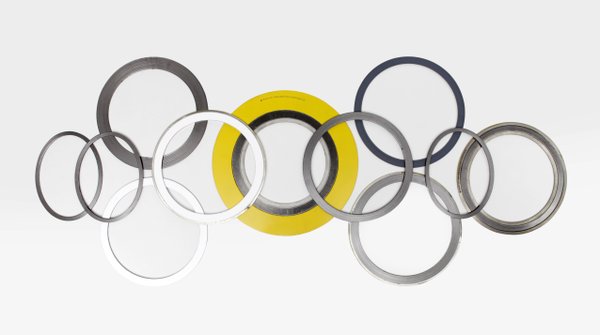
Examples of TEADIT®’s metallic and spiral wound gaskets.
Heat exchangers require additional scrutiny due to geometry and operating variability. Critical considerations include:
Valves
Valve body and bonnet joints are often designed to achieve metal-to-metal contact at the outer edge. In these cases, the gasket is expected to reach a specific compression level before the joint stops closing; compressibility and recovery characteristics are critical.
Pumps and Rotating Equipment
Rotating equipment can sometimes present some additional challenges. For example, an OEM may require that some gasket covers have a specific thickness that cannot be changed if a different material is used for replacements, despite better options being potentially available. Additionally, when these are replaced, mismatched flanges can occur, such as RTJ-to-RF, which affects gasket sizing.
Step 2: Define the Service Conditions
Once the equipment is understood, evaluate the service environment in detail.
Key factors include:
Media Compatibility
The chemical nature of the fluid process often determines the material family.
Temperature and Pressure
Non-metallic gaskets generally have a lower maximum recommended gasket stress compared to semi-metallic or metallic designs. In high-pressure systems, where higher bolt loads are required, metallic or semi-metallic gaskets are often more appropriate.
Temperature limitations are frequently dictated by filler materials. In semi-metallic gaskets, the metal winding provides structural integrity, but the filler material tends to determine chemical and thermal limits. There may be instances where the metallurgy is driven by chemical resistance as well.
Step 3: Consider Regulatory and Emissions Requirements
In many industrial environments, fugitive emissions control is mandatory. Gasket selection must therefore account for applicable environmental standards and leakage classifications.
Regulatory considerations may include:
Understanding the required leakage class before selection prevents costly retrofits or non-compliance issues later.
Step 4: Evaluate Mechanical Constraints and Installation Context
Even if a gasket is technically compatible with the service, installation realities can influence the final decision.
Consider:
Installation procedures also affect performance. A properly selected gasket can fail if the bolt load is uneven or insufficient, while the best installation cannot compensate for incompatible materials for the service. Selection, equipment understanding, and installation must work together.
Step 5: Understand Material Behavior
Expand
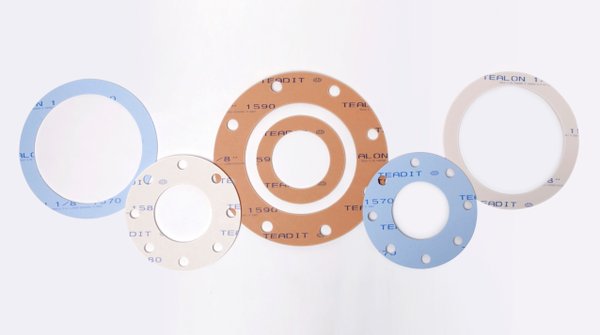
Depiction of a variety of TEADIT®’s PTFE gaskets.
While it is not uncommon for operators to request gaskets based on color or familiarity, these distinguishers do not define performance capabilities.
Each gasket family behaves differently:
6. Integrate Lifecycle Performance, Standardization, and Change Management
Gasket selection should extend beyond immediate technical suitability and consider lifecycle performance, operational efficiency, and internal approval processes.
Where technically appropriate, facilities may benefit from standardizing gasket materials across similar services. Rationalizing material selection can simplify procurement, reduce inventory complexity, and minimize the risk of misapplication. However, standardization must never override application-specific evaluation. Each joint must be assessed according to its operating conditions and performance requirements.
When replacing an existing gasket material with an alternative design, formal Management of Change procedures may be required. Supporting documentation can include:
Lifecycle cost must also be evaluated. Gasket selection should be based on the total cost of ownership rather than the initial purchase price. Leaks represent product loss, energy inefficiency, and potential regulatory liability. A technically rigorous and well-documented selection process, along with regular maintenance and inspections, mitigates these risks and supports long-term operational reliability.
This diagnostic approach helps refine future selections and prevents repeated failure.
A Structured Approach Delivers Reliable Sealing
Successful gasket selection requires technical rigor, cross-functional collaboration, and accurate interpretation of operating conditions and standards. TEADIT® provides engineering support throughout this process, assisting customers with material evaluation, torque calculations, emission performance validation, dimensional drawings, and technical documentation required for internal approval procedures. By working closely with plant engineers, reliability teams, and maintenance personnel, TEADIT® helps ensure that gasket selection aligns with equipment design, service demands, and regulatory requirements while supporting long-term operational reliability.
Contact TEADIT® and specify with confidence today: www.teadit.com
 About the Expert
Francisco Duque is a Mechanical Engineer in the Applications Engineering Department at TEADIT North America in Pasadena, Texas. With over five years at the company, he provides technical support to customers on gasket and packing applications, specializing in heat exchangers and packing solutions.
By Francisco Duque
Step 1: Understand the Equipment
A subject matter expert at TEADIT® ’s innovation hub testing a cut gasket.
The first and most important step in gasket selection is understanding where the gasket will be installed. Equipment configuration directly influences compression requirements, bolt load distribution, and allowable gasket types.
Pipelines Systems and Standard Flanges
For piping systems, key considerations include:
- Nominal Pipe Size (NPS)
- Pressure class
- Flange facing type, such as raised face or flat face
- Surface finish
- Flange material
- Stud and nut material and size
- Bolt lubrication practices
Heat Exchangers
Examples of TEADIT®’s metallic and spiral wound gaskets.
Heat exchangers require additional scrutiny due to geometry and operating variability. Critical considerations include:
- Gasket location, such as channel to tube sheet or shell to cover
- Whether the floating head is pressurized
- Flange diameter and bolt load capability
- Thermal cycling exposure
Valves
Valve body and bonnet joints are often designed to achieve metal-to-metal contact at the outer edge. In these cases, the gasket is expected to reach a specific compression level before the joint stops closing; compressibility and recovery characteristics are critical.
Pumps and Rotating Equipment
Rotating equipment can sometimes present some additional challenges. For example, an OEM may require that some gasket covers have a specific thickness that cannot be changed if a different material is used for replacements, despite better options being potentially available. Additionally, when these are replaced, mismatched flanges can occur, such as RTJ-to-RF, which affects gasket sizing.
Step 2: Define the Service Conditions
Once the equipment is understood, evaluate the service environment in detail.
Key factors include:
- Process media composition
- Operating temperature
- Operating pressure
- Pressure fluctuations
- Thermal cycling
- Chemical aggressiveness
- Abrasiveness
Media Compatibility
The chemical nature of the fluid process often determines the material family.
- Highly corrosive services may limit the applicability of certain compressed fiber materials depending on the elastomer binder and reinforcement fibers used.
- Hydrocarbon service may require low-emission performance.
- Food or pharmaceutical applications may require contamination control and FDA compliance.
Temperature and Pressure
Non-metallic gaskets generally have a lower maximum recommended gasket stress compared to semi-metallic or metallic designs. In high-pressure systems, where higher bolt loads are required, metallic or semi-metallic gaskets are often more appropriate.
Temperature limitations are frequently dictated by filler materials. In semi-metallic gaskets, the metal winding provides structural integrity, but the filler material tends to determine chemical and thermal limits. There may be instances where the metallurgy is driven by chemical resistance as well.
Step 3: Consider Regulatory and Emissions Requirements
In many industrial environments, fugitive emissions control is mandatory. Gasket selection must therefore account for applicable environmental standards and leakage classifications.
Regulatory considerations may include:
- Environmental Protection Agency limits in North America.
- Semi-metallic gaskets that meet the requirements of ASME B16.20.
- European leakage classifications regulations, such as TA-Luft and the guidelines VDI 2440.
Understanding the required leakage class before selection prevents costly retrofits or non-compliance issues later.
Step 4: Evaluate Mechanical Constraints and Installation Context
Even if a gasket is technically compatible with the service, installation realities can influence the final decision.
Consider:
- Available space to insert the gasket
- Whether the joint can be fully separated
- Flange alignment condition
- Time constraints during shutdowns
- Installer familiarity with the material
Installation procedures also affect performance. A properly selected gasket can fail if the bolt load is uneven or insufficient, while the best installation cannot compensate for incompatible materials for the service. Selection, equipment understanding, and installation must work together.
Step 5: Understand Material Behavior
Expand
Depiction of a variety of TEADIT®’s PTFE gaskets.
While it is not uncommon for operators to request gaskets based on color or familiarity, these distinguishers do not define performance capabilities.
Each gasket family behaves differently:
- Compressed fiber sheets rely on elastomer binders and fibers. Their limitations typically stem from the rubber component, but both primary components need to be evaluated.
- PTFE-based materials offer outstanding chemical resistance and electrical insulation but have temperature limitations and creep considerations.
- Graphite-based materials provide excellent high-temperature capability but require evaluation in oxidizing environments.
- Semi-metallic gaskets combine structural strength with a filler material that defines sealing and chemical resistance.
6. Integrate Lifecycle Performance, Standardization, and Change Management
Gasket selection should extend beyond immediate technical suitability and consider lifecycle performance, operational efficiency, and internal approval processes.
Where technically appropriate, facilities may benefit from standardizing gasket materials across similar services. Rationalizing material selection can simplify procurement, reduce inventory complexity, and minimize the risk of misapplication. However, standardization must never override application-specific evaluation. Each joint must be assessed according to its operating conditions and performance requirements.
When replacing an existing gasket material with an alternative design, formal Management of Change procedures may be required. Supporting documentation can include:
- Material specifications
- Dimensional drawings
- Torque calculations
- Emission or performance validation data
Lifecycle cost must also be evaluated. Gasket selection should be based on the total cost of ownership rather than the initial purchase price. Leaks represent product loss, energy inefficiency, and potential regulatory liability. A technically rigorous and well-documented selection process, along with regular maintenance and inspections, mitigates these risks and supports long-term operational reliability.
This diagnostic approach helps refine future selections and prevents repeated failure.
A Structured Approach Delivers Reliable Sealing
Successful gasket selection requires technical rigor, cross-functional collaboration, and accurate interpretation of operating conditions and standards. TEADIT® provides engineering support throughout this process, assisting customers with material evaluation, torque calculations, emission performance validation, dimensional drawings, and technical documentation required for internal approval procedures. By working closely with plant engineers, reliability teams, and maintenance personnel, TEADIT® helps ensure that gasket selection aligns with equipment design, service demands, and regulatory requirements while supporting long-term operational reliability.
Contact TEADIT® and specify with confidence today: www.teadit.com
About the ExpertFrancisco Duque is a Mechanical Engineer in the Applications Engineering Department at TEADIT North America in Pasadena, Texas. With over five years at the company, he provides technical support to customers on gasket and packing applications, specializing in heat exchangers and packing solutions.